‘Please send your best price for bubble tea ingredients’ is an understandable first message. It is also difficult to turn into a useful quotation. The supplier still has to guess which products, which formats and how much of each you need.
A short, organised brief usually gets the discussion closer to the actual order. It does not need to be polished. It needs to be specific about what is known and honest about what is still undecided.
Name the product and the job it has to do
Instead of listing only ‘tea’ or ‘powder’, describe the intended drink and the product format you are considering. A tea for a milk tea recipe may be assessed differently from a tea you plan to serve without milk. If you have not settled on the format, say so and ask for sample options.
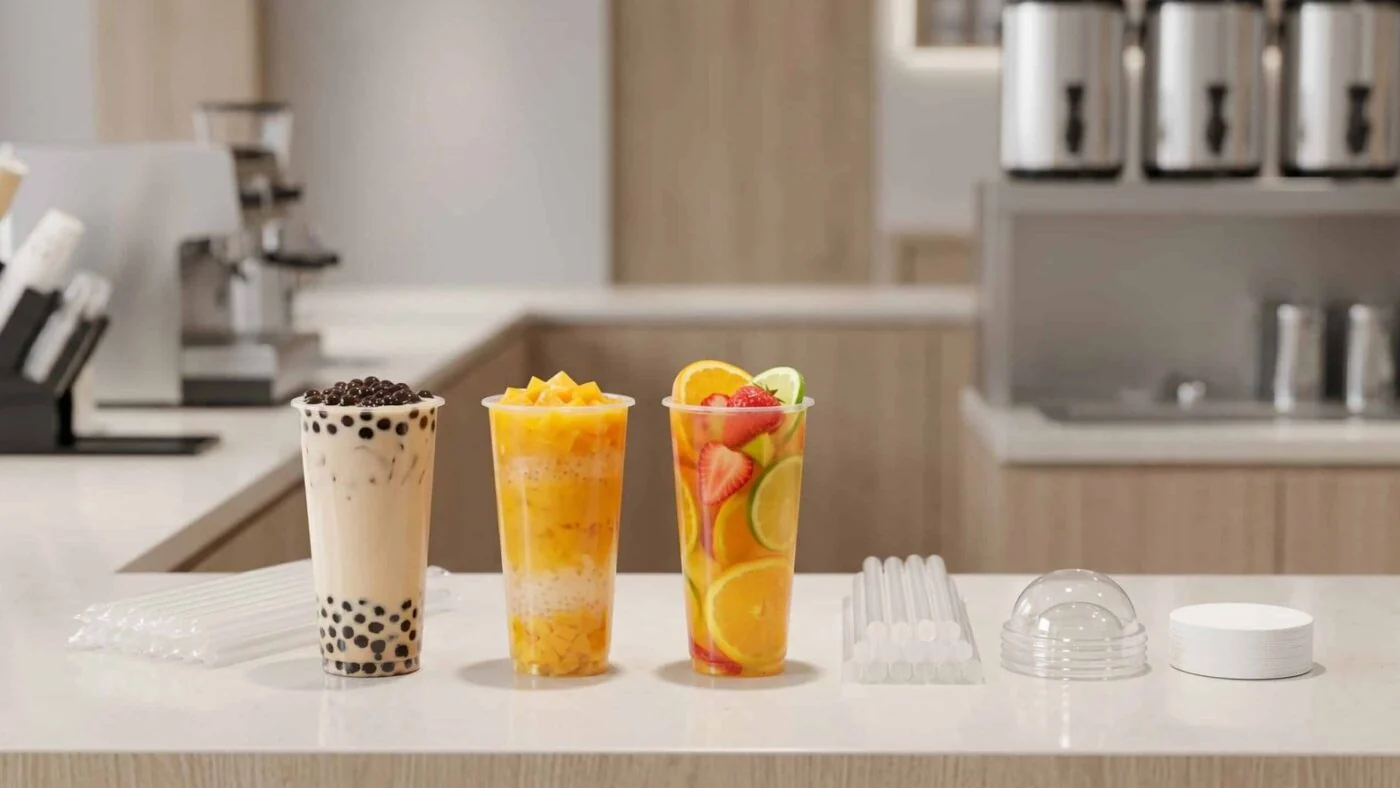
Attach a reference image if it helps explain the application, but identify it as a reference. A photo of a finished drink does not define its ingredients, proportions or packaging.
Separate the sample request from the order estimate
Give the supplier an estimated quantity for each product, even if it is a range. State whether that number is an opening order, a trial or expected recurring usage. Then list the samples you want to evaluate before committing.
Ask the supplier to distinguish sample cost, product cost and shipping cost. It is easier to compare offers when the items are visible rather than combined into one unexplained figure.
Include the destination and packing
Provide the destination country and delivery location. Mention the pack size you prefer, any private-label requirement and whether artwork is already available. If timing matters, explain the event or opening date and ask what can realistically be confirmed.
Request the ingredient statement, allergen information, storage instructions and relevant product specifications for review. Market-specific import and labelling requirements need separate confirmation for the actual goods and destination; a general catalogue description does not settle them.
Make the unresolved points easy to answer
Finish with a short question list. For example:
- Which sample options match this application?
- What pack sizes and minimum quantities are available?
- Which costs are included in this quotation?
- What preparation or storage information accompanies the product?
- What must be approved before production or dispatch?
A clear brief will not remove every follow-up question. It makes those questions useful, and leaves both sides with a written record of what the proposed order actually covers.