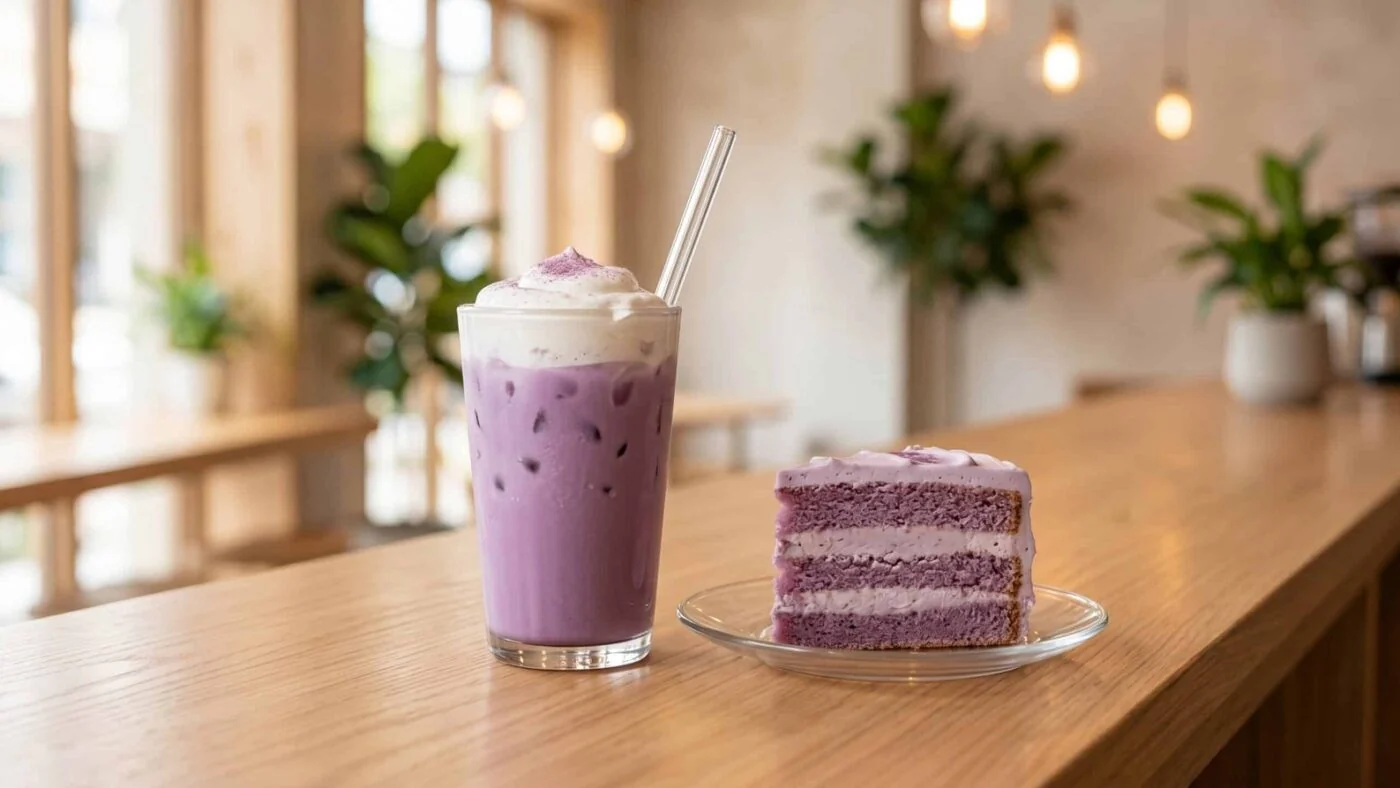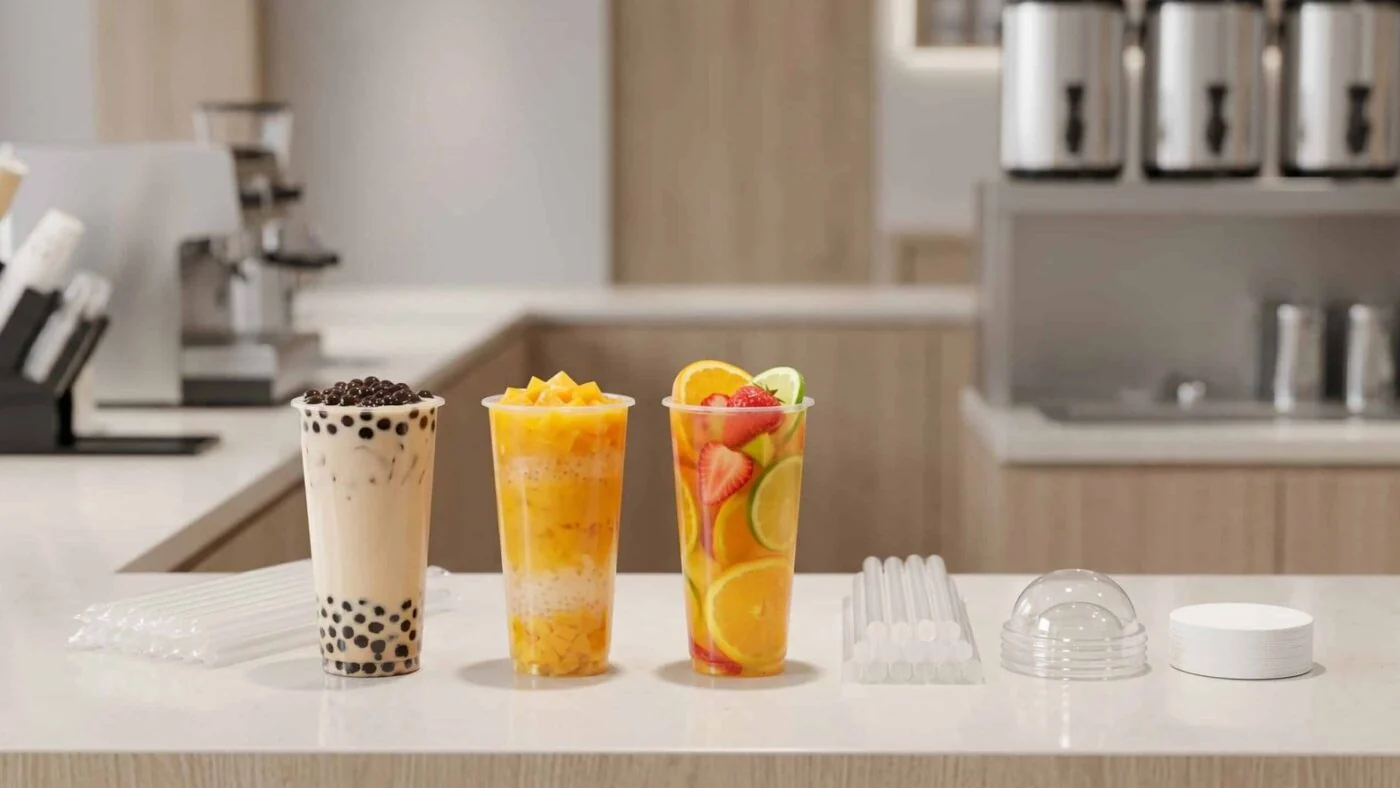
It is easy to build an opening menu one attractive drink at a time. The harder exercise is to put every ingredient on one table and ask how the shop will use it. A menu with twelve drinks may rely on a tidy set of ingredients, or it may leave you with twelve separate preparation routines.
For a new counter, a menu worksheet is often a better starting point than a longer list of drink names.
Put drinks in rows and ingredients in columns
List your proposed drinks down the left side of a sheet. Across the top, list each tea, powder, fruit base, sweetener and topping. Mark every ingredient used in each drink.
The sheet makes isolated ingredients easy to spot. A product that appears in only one low-priority drink deserves a second look. It may be worth keeping, but make that a deliberate choice rather than an accidental addition to the opening order.
Give customers a reason to choose
Shared ingredients should not make every drink taste alike. You could build a small selection around a familiar milk tea, a fruit-forward tea and a different texture or flavour direction. What matters is that each option has a clear purpose on the menu.
Describe the difference in words a customer would use. If two drinks require a long explanation to tell apart, consider whether both need to be on the opening menu.
Count the work behind the recipe
Next to each drink, note the preparation steps and equipment it needs. Which ingredients require advance preparation? Which containers will be open at the same time? Does one drink introduce a separate piece of equipment or an extra cleaning task?
Run a short practice service with mixed orders. A drink that is straightforward on its own may be less convenient when the person preparing it is also sealing cups and answering questions.
Leave room to learn
Treat the first menu as a version you can evaluate. Track what customers order, what they leave unchanged, what they ask to substitute and which ingredients are regularly left over. Those observations give you a better basis for the next addition than a photograph alone.
Before buying a large quantity for a new drink, write down where else the ingredient could be used. If there is no second use, begin with a trial quantity where available and confirm the storage requirements. Variety is useful when it earns its place in the actual operation.