A lower price per kilogram is a useful number. It is not the whole buying decision. If two ingredients need different quantities to make an acceptable drink, the recipe can reverse the apparent saving.
You do not need a complicated model to see the difference. Start with the amount you actually use.
Work through one ingredient
Imagine two powder samples. These are invented figures for illustration, not our prices or a recommended recipe.
Sample A costs $10 per kilogram and uses 30 grams in your approved drink. Its powder cost is $10 ÷ 1,000 × 30 = $0.30 per cup.
Sample B costs $12 per kilogram and uses 20 grams in your approved drink. Its powder cost is $12 ÷ 1,000 × 20 = $0.24 per cup.
B has the higher pack price and the lower powder cost in this example. That only matters if both recipes meet your requirements. Reducing the dose until the drink disappoints the customer is not a useful saving.
Add the rest of the cup
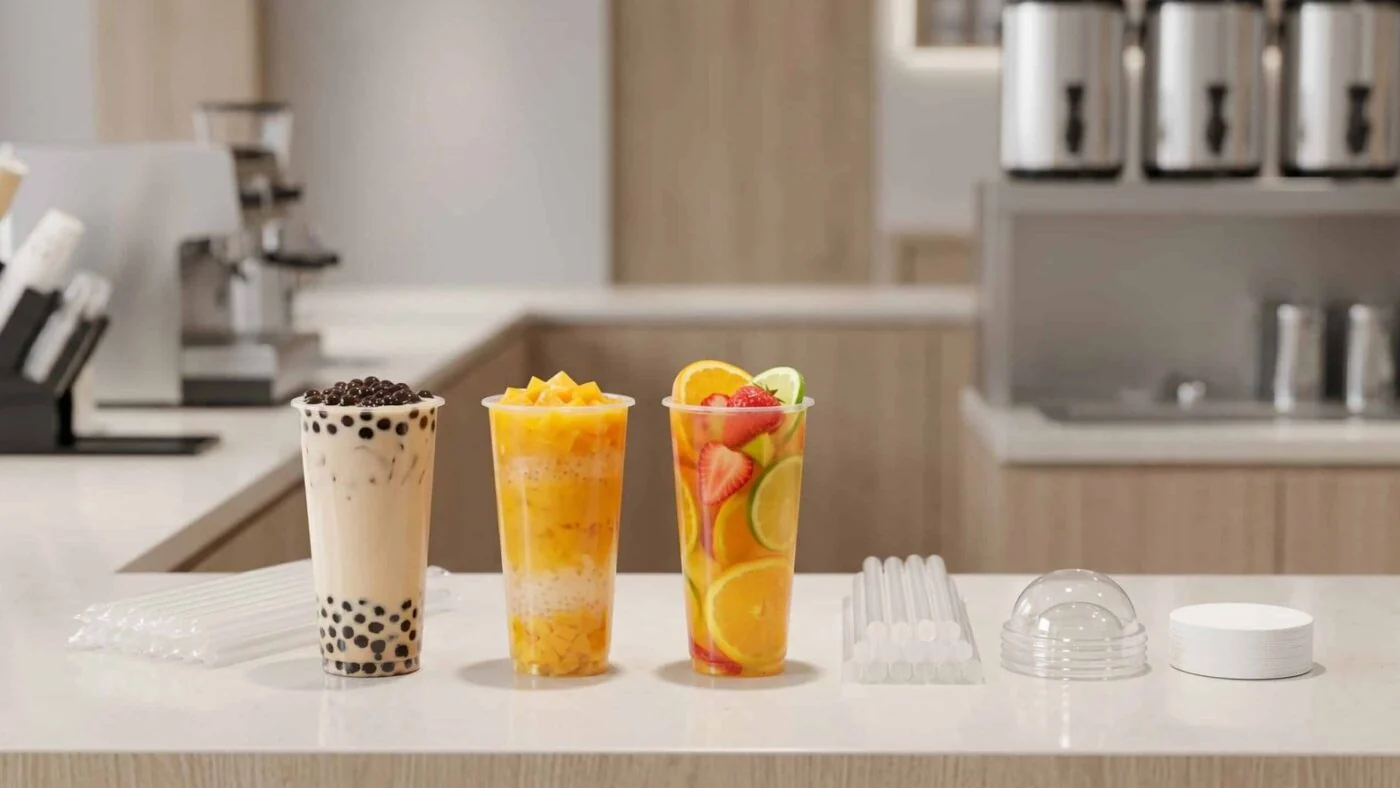
Repeat the calculation for tea, sweetener, milk or creamer and toppings. Add the cup, lid or sealing film, straw and other packaging used for that serving. Keep the units consistent: grams with grams, millilitres with millilitres, and individual pieces with individual pieces.
For an ingredient prepared in batches, record the usable output of the batch and the number of portions you actually serve. Avoid assuming that the weight of the supplied pack is the same as the amount available in the finished preparation.
Keep estimates visibly separate
Freight allocation, wastage and other operating costs can change the picture. Put them in separate lines so you can see which figures are measured and which are still estimates. A supplier's product quote may not include every cost required to place that product on your shelf.
This worksheet is an ingredient and packaging comparison, not a complete profit calculation. Labour, rent, payment fees and other business costs need their own treatment.
Update the sheet when the recipe changes
Save the approved recipe next to its costing. If a portion grows, a topping changes or a larger cup is introduced, update the sheet rather than continuing to use the old number.
When asking for a quotation, include the pack format you want and your expected order quantity. Then compare the quoted options against the recipe you intend to sell. That gives the price a practical context.