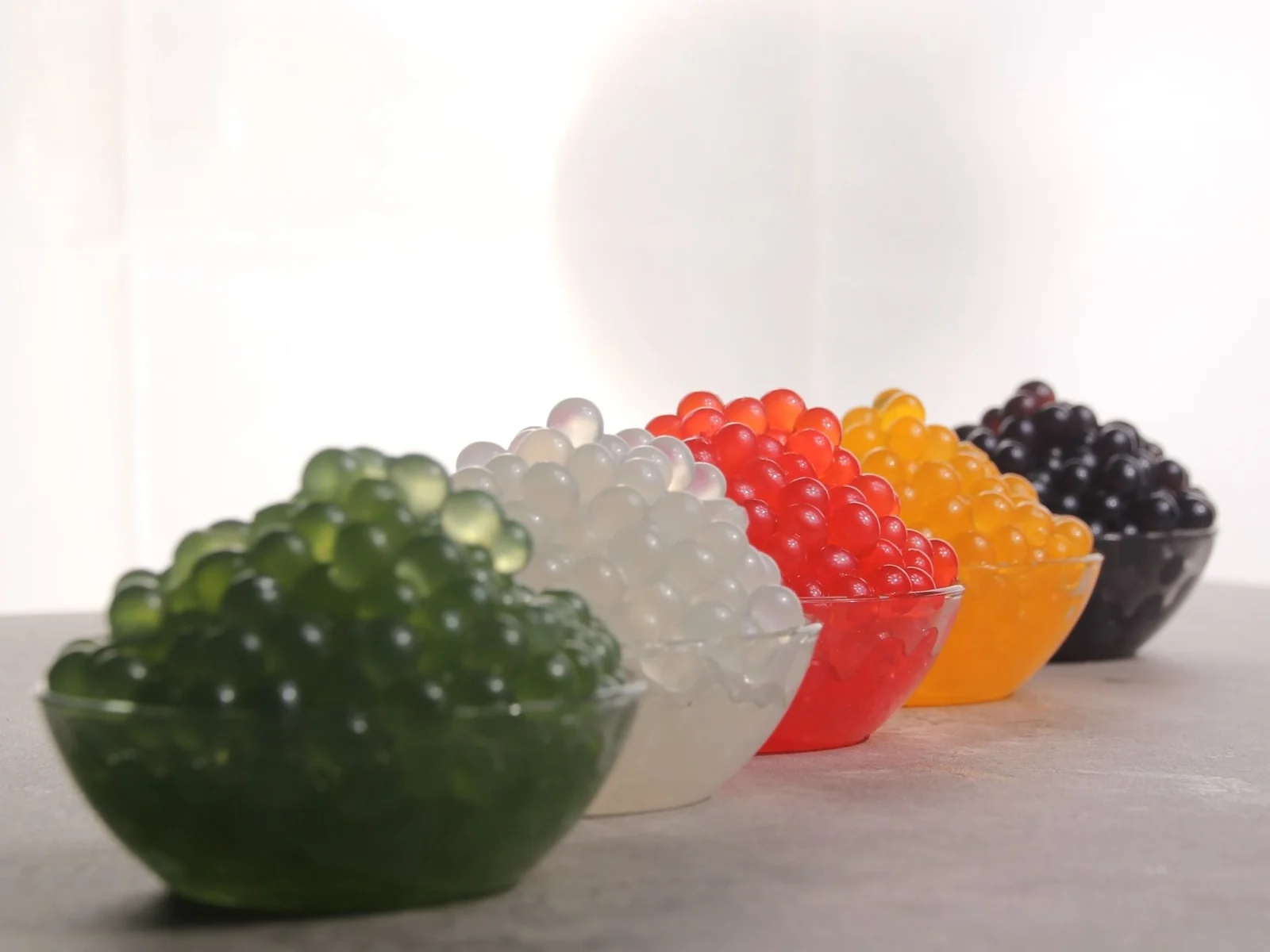
Two products can carry the same fruit name and behave very differently behind the counter. One pours quickly and disappears into the drink. The other brings pulp, peel or visible fruit texture. Calling both of them “fruit flavour” hides the choice the recipe has to make.
Syrup and fruit jam are useful in different ways. The better option depends on the drink, the service routine and what you want the customer to notice.
Decide what the fruit should contribute
Begin with the finished cup. Is the fruit meant to provide aroma and sweetness, visible texture, acidity, colour, or several of these at once? Write the answer before comparing samples.
A syrup often suits drinks where fast mixing and a clean texture are priorities. A textured fruit base or jam can make the fruit more visible and may change the mouthfeel. Neither description establishes fruit percentage, sweetness or ingredient composition. Those details have to come from the specification for the exact product.
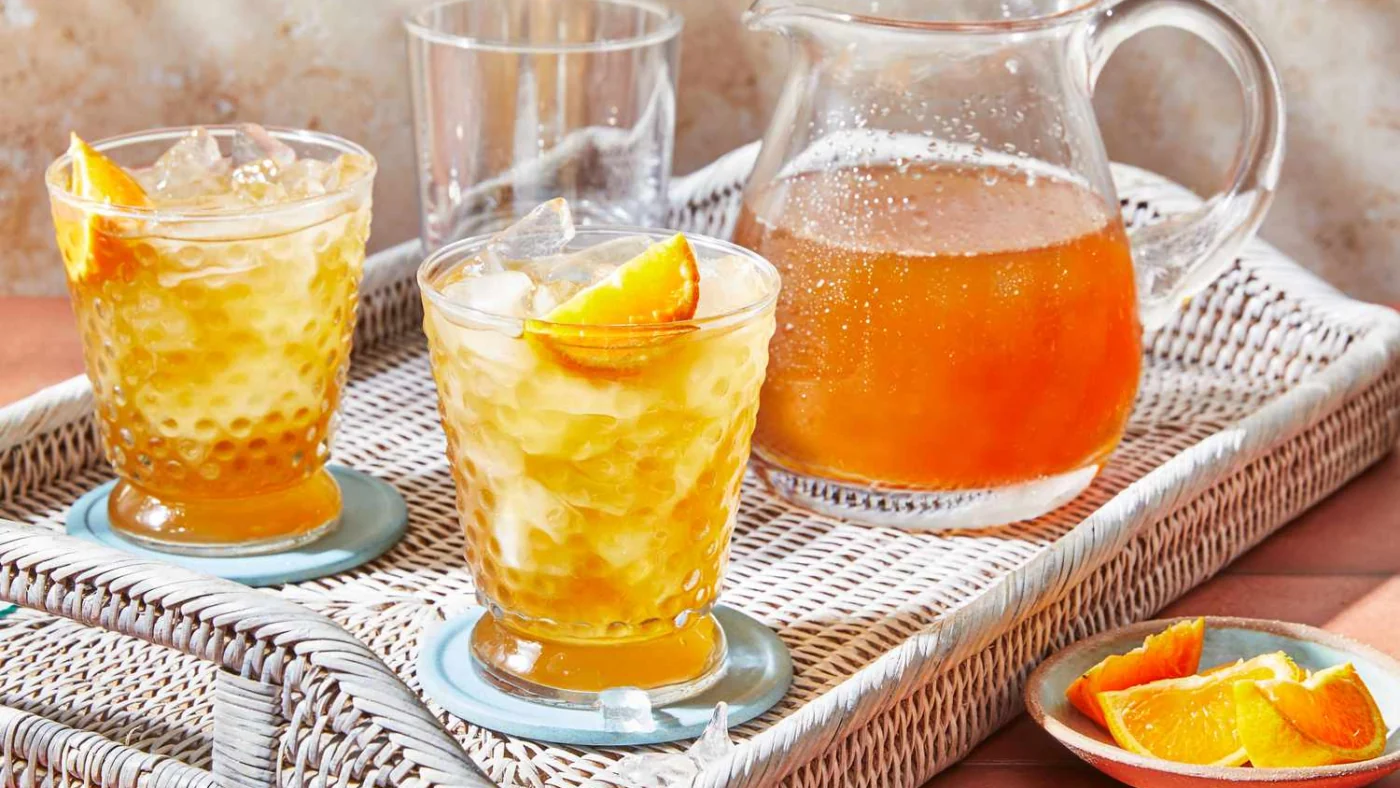
Make the intended tea, lemonade, soda or blended drink with each sample. Tasting a spoonful on its own does not show how the product behaves after dilution, ice and other ingredients are added.
Keep sweetness and fruit character separate
A fruit product may supply a substantial part of the recipe's sweetness. If one sample is sweeter, it may require less added syrup elsewhere in the recipe. Compare complete recipes rather than adding the same sweetener to every test and judging the result afterward.
Record the dose used in grams or millilitres and note any change to the rest of the recipe. Then calculate the product cost per approved cup. Pack price alone is difficult to interpret when the working dose is different.
Test texture through the whole service
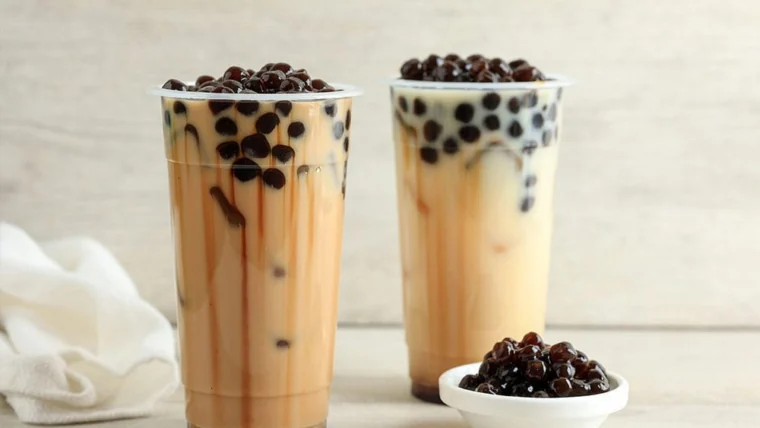
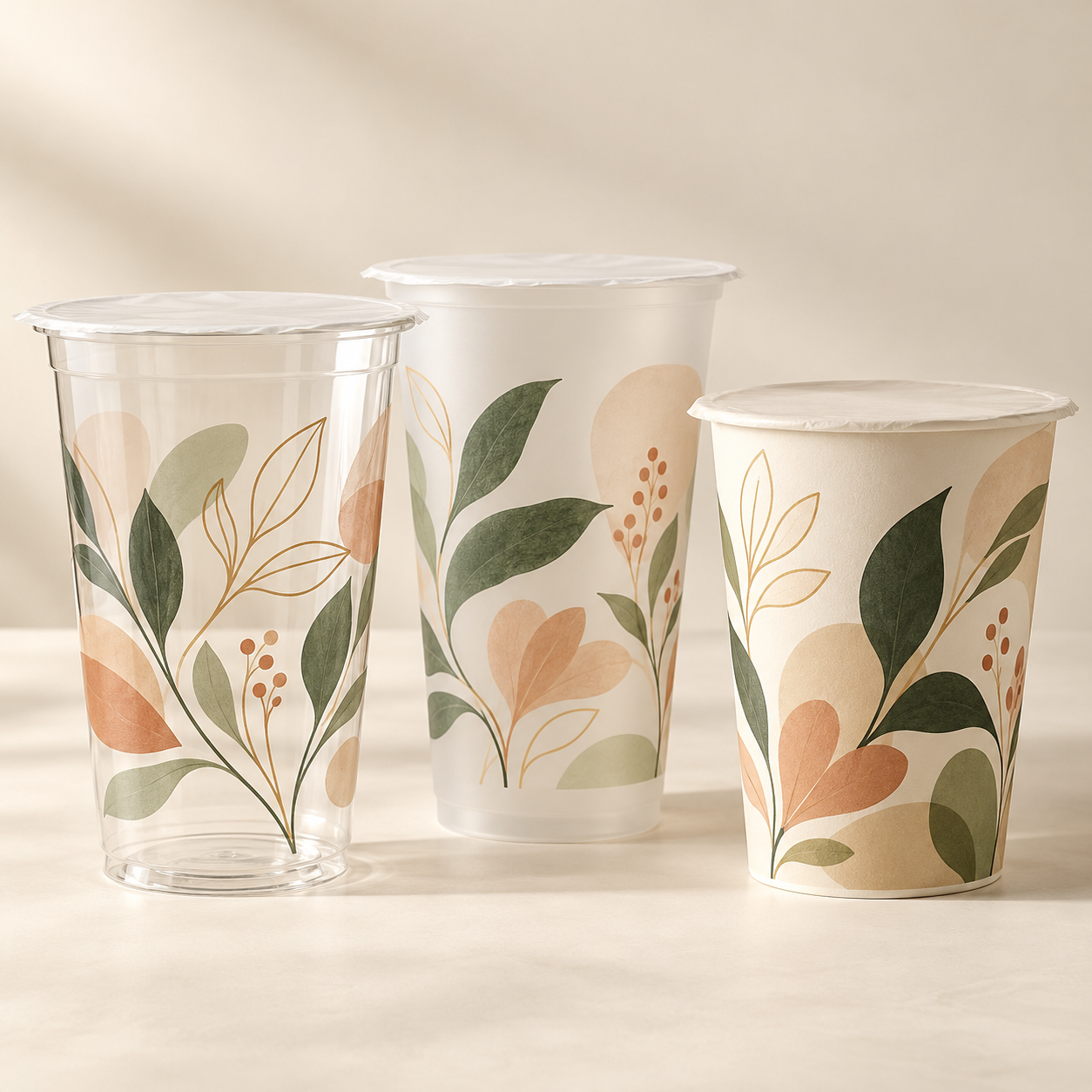
For products with pulp, seeds or peel, check pouring, scooping and portion control. Use the cup, lid or sealing film and straw planned for service. A texture that looks attractive may still need a different straw or a more consistent portioning tool.
Prepare several drinks in sequence. Notice whether the product settles, separates or collects around the container, and follow the supplier's handling and storage directions. These observations help you plan the station; they do not establish a safe holding period beyond the approved instructions.
Review the label information
Ask for the ingredient statement, allergen information, nutrition data where relevant, storage instructions and unopened and after-opening guidance. Confirm fruit content and the use of flavours, colours, sweeteners or preservatives rather than inferring them from the product name.
If the item will be imported or used in a packaged product, check the requirements for the actual destination and application. A formula suitable for one market does not automatically settle another market's labelling or import questions.
Let the menu decide
A practical sample sheet can compare:
- Dose in the approved recipe
- Fruit aroma and acidity after dilution
- Sweetness contributed to the drink
- Texture through the selected straw
- Appearance immediately and after the normal takeaway interval
- Portioning method and counter cleanup
- Pack size, storage and expected usage
The result may be one product for a clear sparkling drink and another for a textured fruit tea. It may also be a single base that works across several recipes. The purpose of the trial is not to declare one format universally better. It is to choose the product that earns its place in the drink you plan to sell.