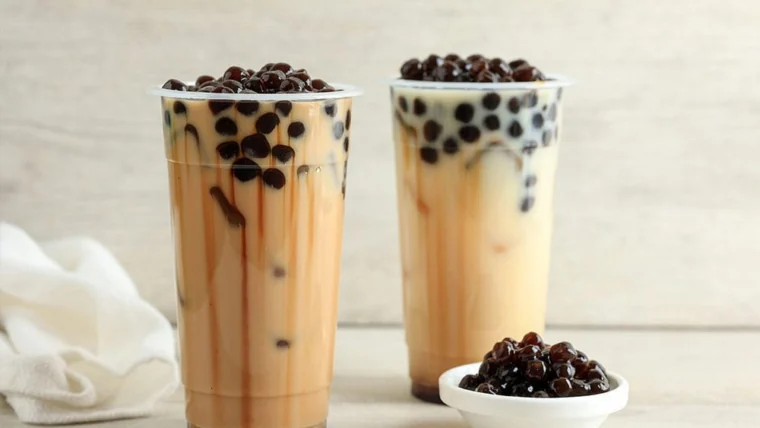
Two tea samples arrive. One smells wonderful when you open the bag. The other looks less impressive, but holds its character in your finished milk tea. Which one belongs on the next order?
For a beverage shop, the finished drink is the useful comparison. Dry-leaf appearance and a plain cup of tea can tell you something, but neither is the product your customer takes away.
Start with one recipe
Choose an existing drink rather than developing several recipes at once. Write down the tea weight, water volume, brewing method, milk or creamer, sweetener, cup size and ice amount. Follow each supplier's preparation guidance for the first trial, and record any adjustments. A comparison loses its value if the details disappear between batches.
Use the same water and equipment for both samples. Label the cups A and B if you want to reduce the influence of packaging, price or a familiar supplier name. Keep a separate note connecting each letter to the actual sample and batch.
Taste at the point of service
Try the tea on its own, then taste it in the complete recipe. Check whether you can still identify the tea after adding the other ingredients. Does the sweetness feel balanced? Is the finish pleasant? Would you want another sip? Plain language is more useful here than a long list of tasting adjectives.
Taste a second cup after a delay that reflects a normal takeaway journey. Keep that interval the same for both samples. You are comparing your own service conditions, not establishing a universal holding time or food-safety limit.
Record a decision, not just a preference
A short sample sheet can include:
- Sample name, supplier and batch reference
- Preparation instructions and the recipe actually used
- Comments on the freshly prepared drink
- Comments after the same takeaway interval
- Ingredient quantity used per serving
- Questions to resolve before ordering
If a sample needs a larger dose to produce the result you want, record that before comparing prices. A lower bag price may not mean a lower ingredient cost per drink.
Keep the winning recipe with the approved sample details. When the commercial shipment arrives, you then have something concrete to compare against: the drink you chose, prepared the way you chose it.