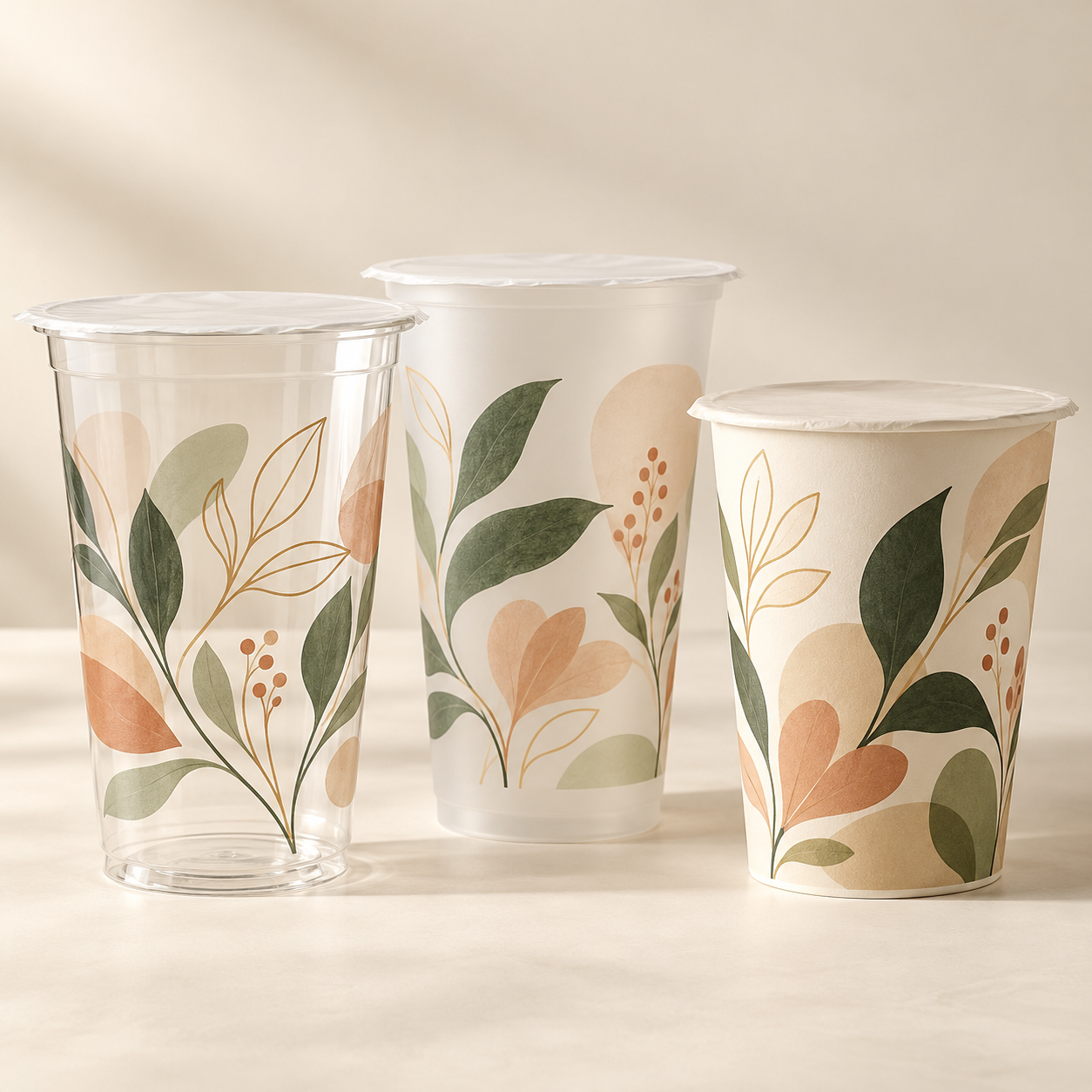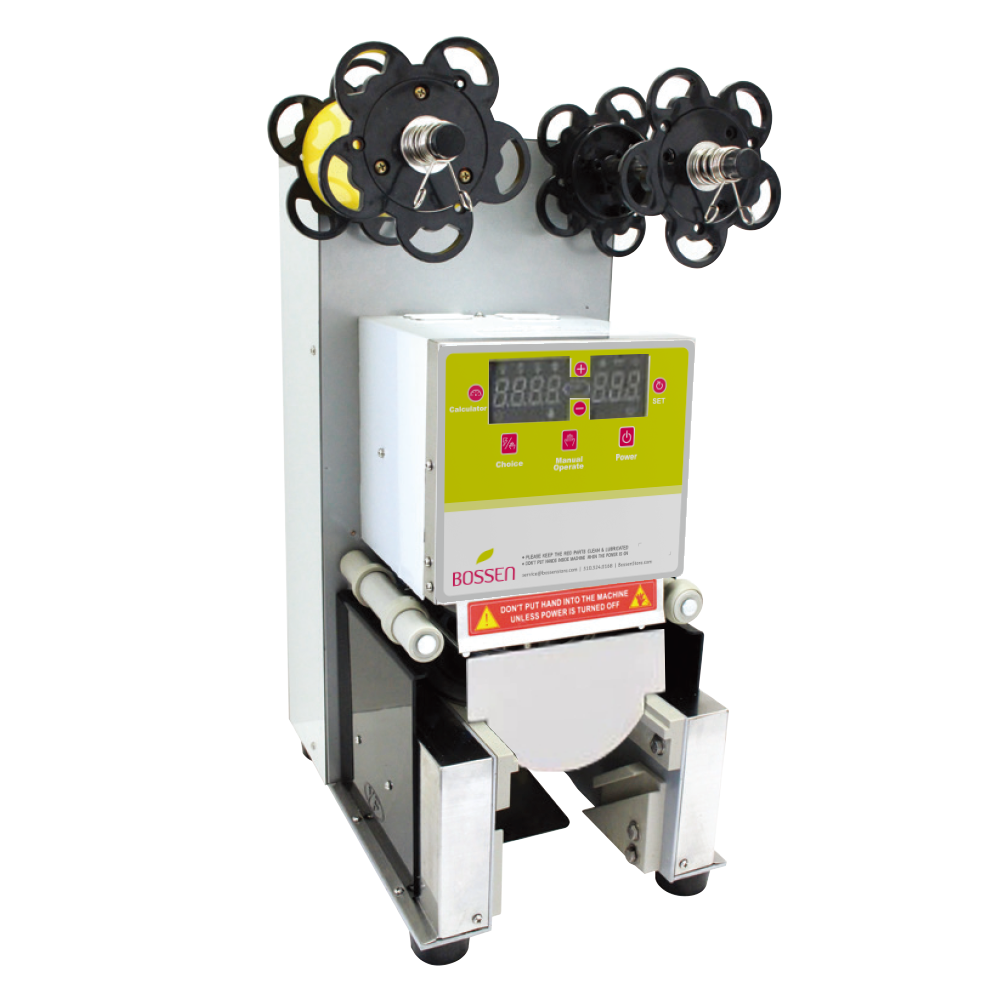
A cup sealer can look like a straightforward equipment purchase until the first test cup reaches the machine. The cup does not sit correctly, the film will not seal, or the electrical label does not match the shop. These are specification problems, and a product photograph cannot resolve them.
The useful starting point is the cup and film system you intend to run. Build the machine request around that system instead of choosing a machine first and hoping the packaging will follow.
Record the cup specification
Write down the cup material, nominal volume, top diameter, rim shape and supplier's dimensional drawing. PET and PP cups should not be treated as interchangeable simply because their capacity looks similar. A 90 mm, 95 mm or 98 mm listing refers to a fit that must be checked against the actual cup and sealing setup.
If you use several cup sizes, identify which ones share the same rim and which require a different holder or mould. Send physical samples when possible. A supplier can learn more from the cup you plan to buy than from a screenshot of a similar drink.
Match the film to the cup
Ask the cup or film supplier to confirm the intended material pairing. Record the film width, roll dimensions, print registration requirements and any marks used by the machine's sensor. Custom-printed film adds an artwork and registration check to the equipment test.
Run trials with the filled drink you expect to serve. A seal that looks acceptable on an empty cup may behave differently when the rim is wet or the drink contains foam. The aim is a repeatable operating result under your normal preparation routine, within the packaging supplier's instructions.
Confirm the electrical details in writing
The destination voltage, frequency, plug and rated power belong on the quotation. Do not rely on a generic catalogue page when ordering for a particular country or location. Ask for a photograph of the rating label for the offered model and confirm what is included in the carton.
Equipment certification requirements vary by destination and use. Request the documents tied to the exact model being quoted, then have the appropriate local party review them. A certification statement attached to another model is not a substitute.
Ask what happens after arrival
Clarify installation, operating instructions, warranty scope and spare parts before the order. Useful questions include:
- Which cup holder or mould is included?
- Can replacement parts and consumables be ordered separately?
- What routine cleaning and maintenance does the manufacturer specify?
- Who handles a fault diagnosis, and what evidence is required?
- How is the machine packed for the proposed shipping route?
These answers make two quotations easier to compare. A lower equipment price can become less attractive if the required holder, sensor or service part is missing.
Approve a working combination
Keep a record of the cup, film and machine model used in the successful trial. Add photographs of the sealed rim and the final settings supplied or approved for the test. When any part of the packaging changes, repeat the compatibility check rather than assuming the old setup still applies.
A cup sealer is one part of a packaging system. Buying it from a complete brief gives the shop a much better chance of receiving equipment that fits the cup on day one.